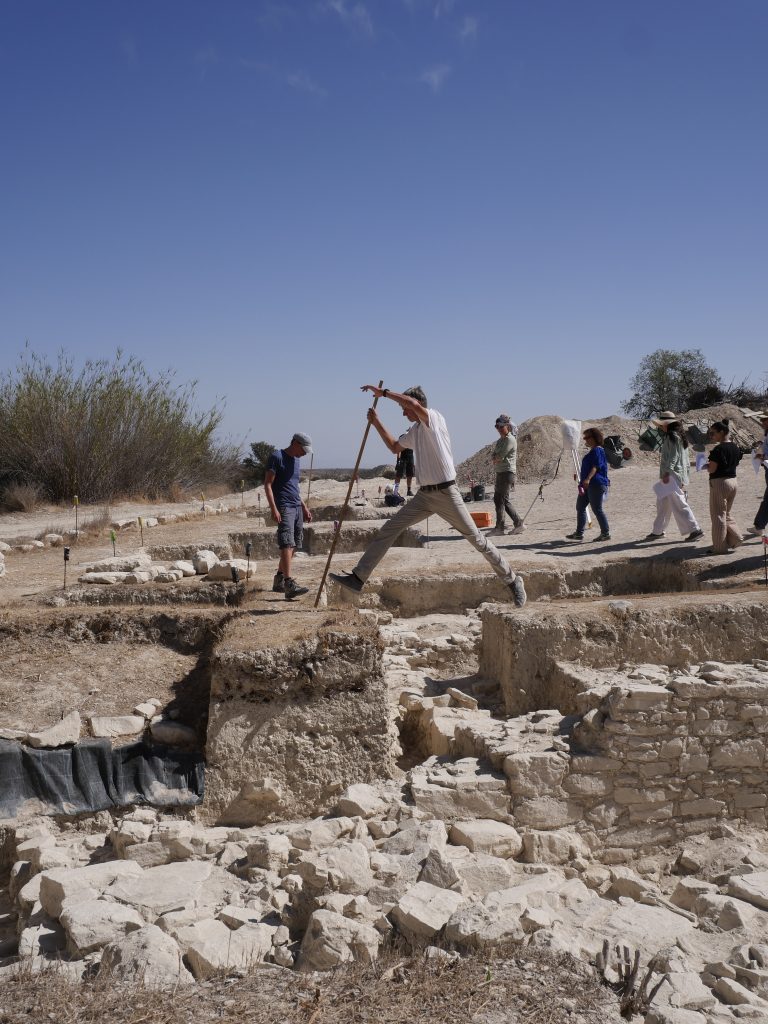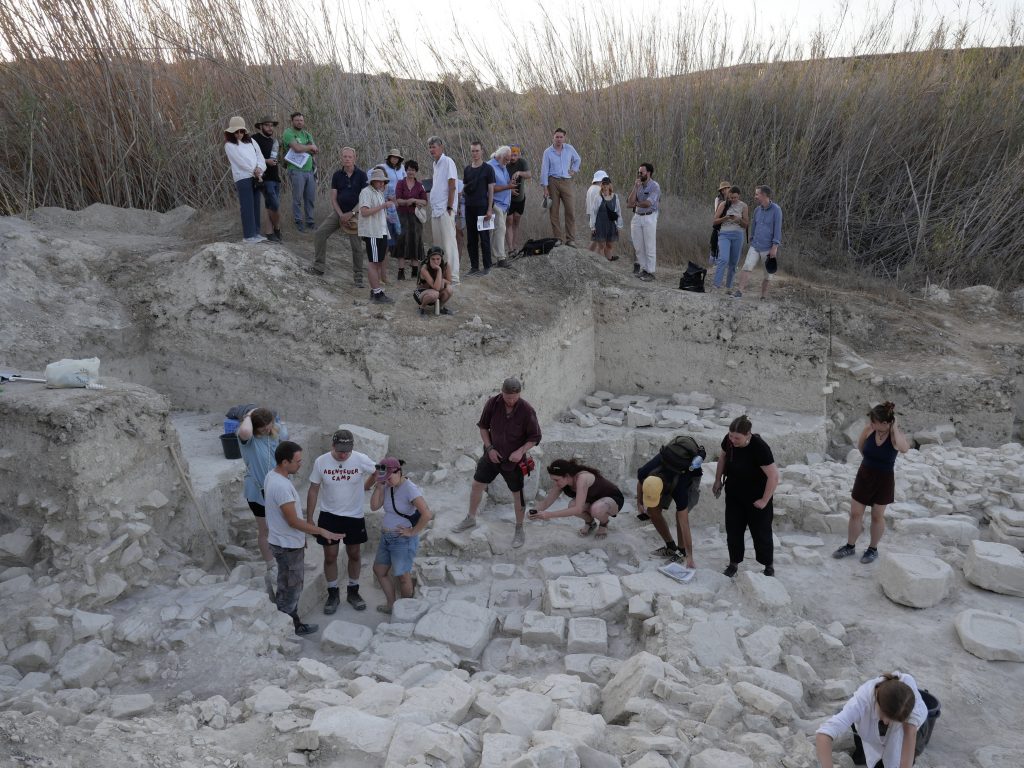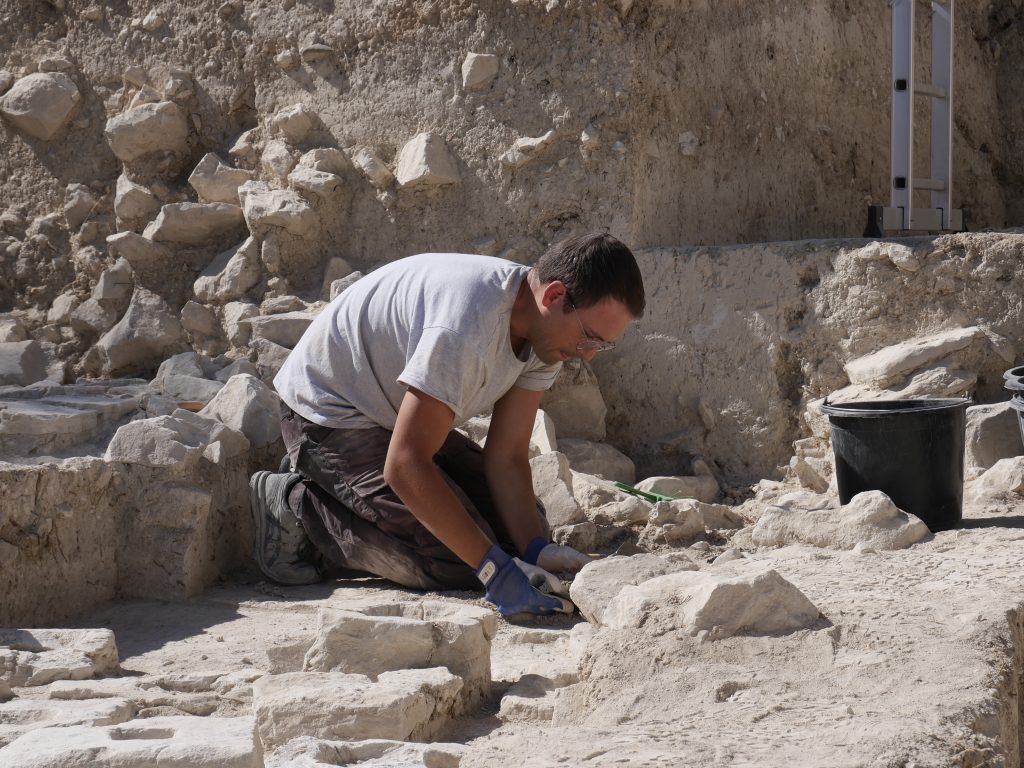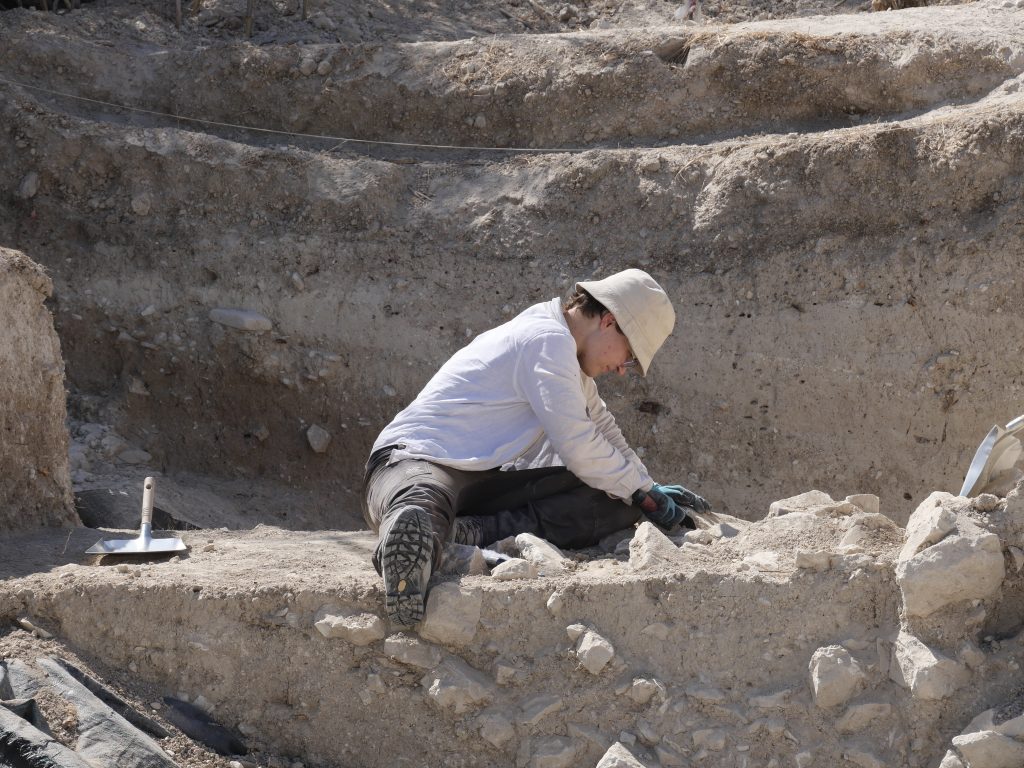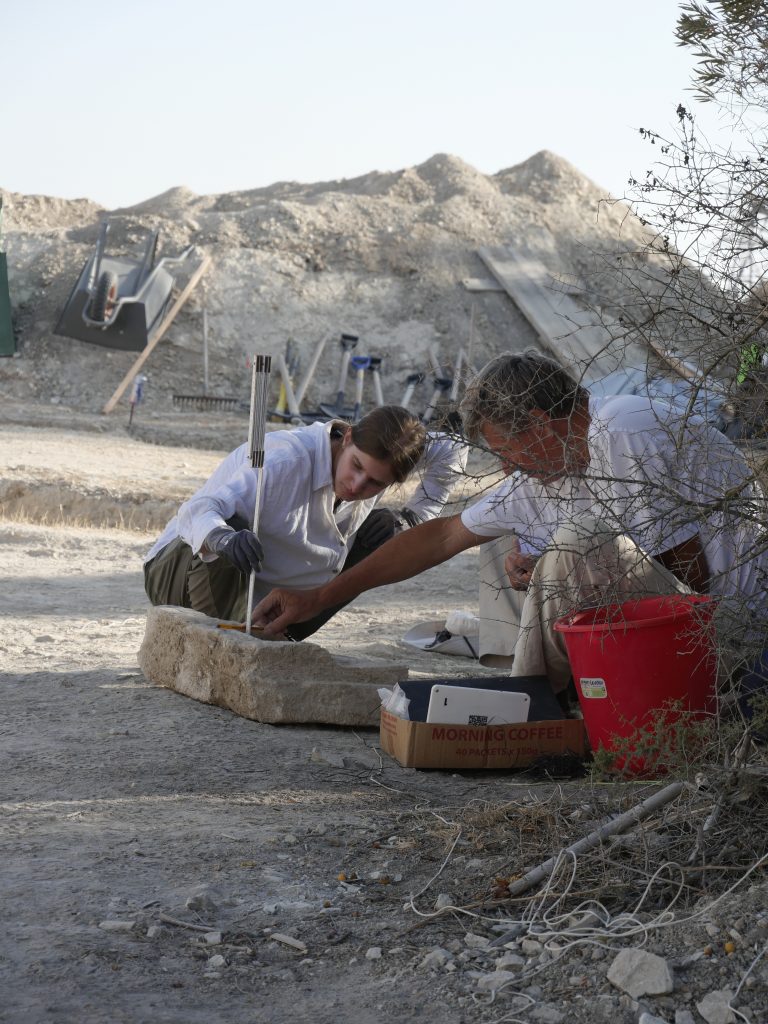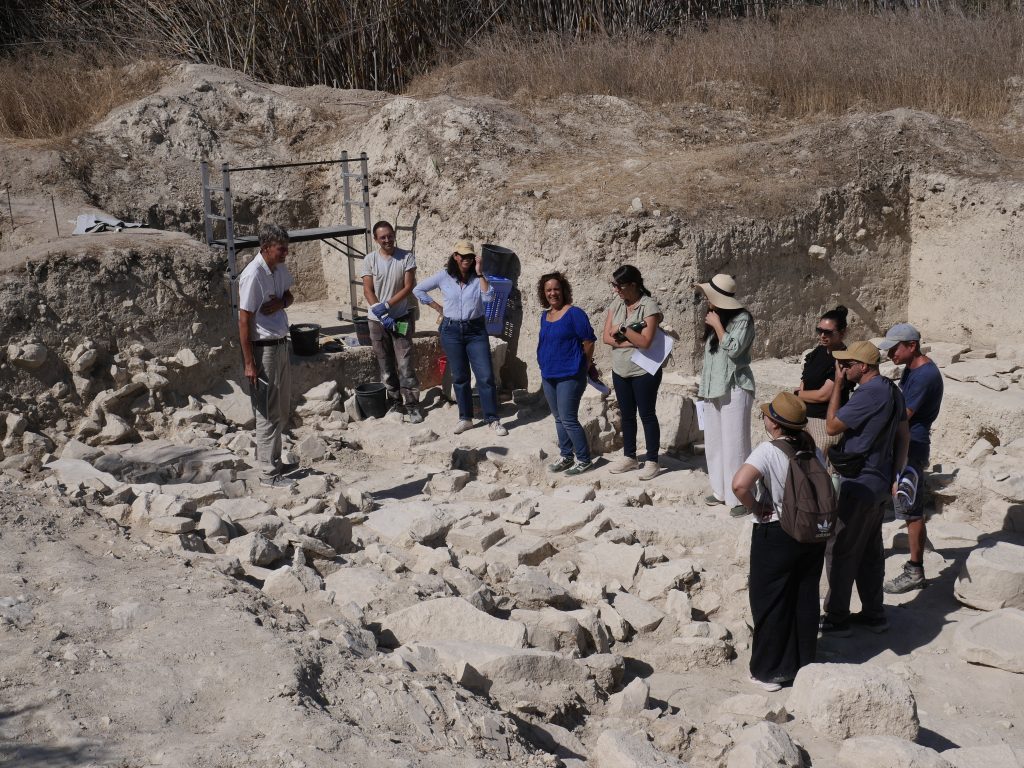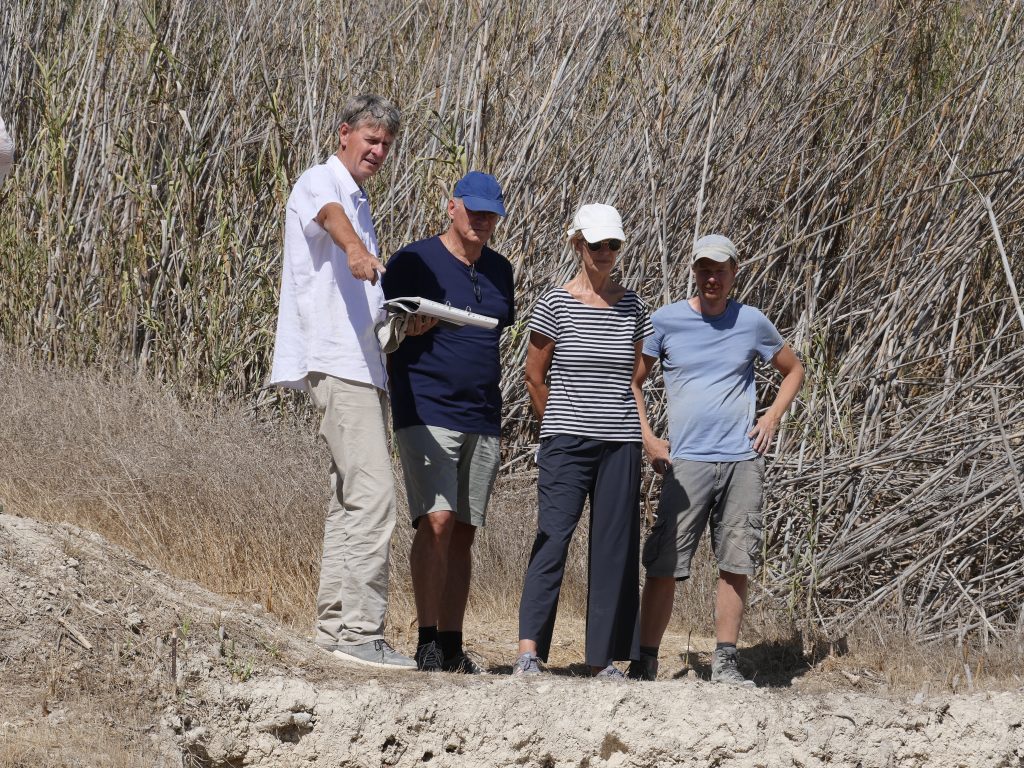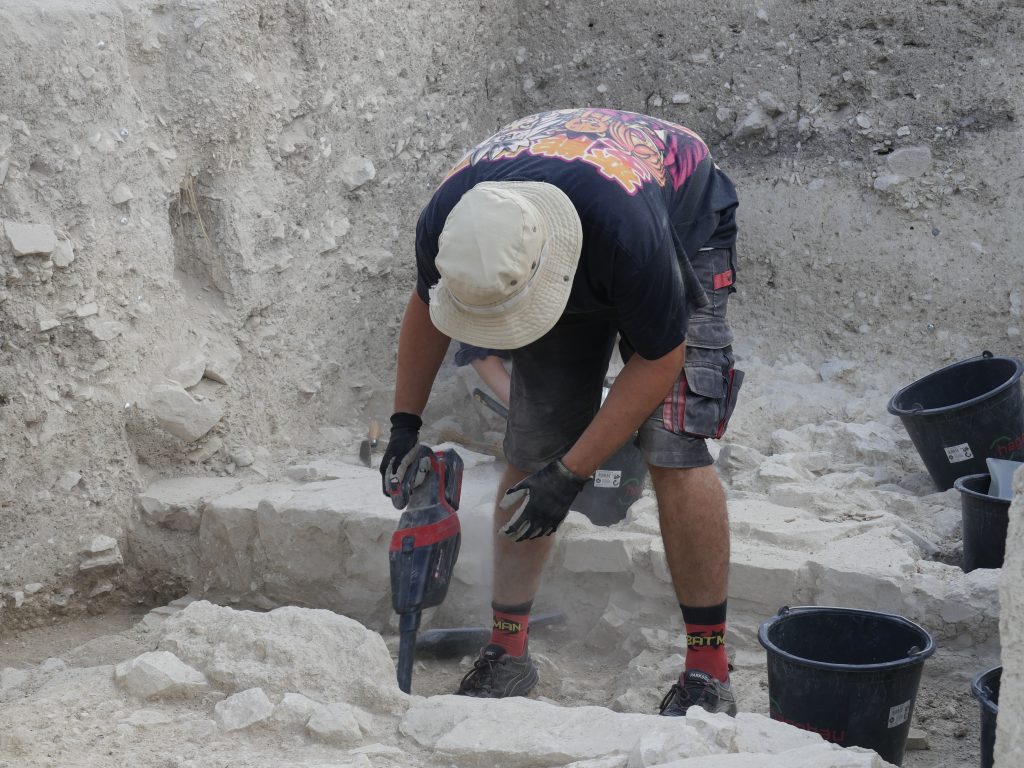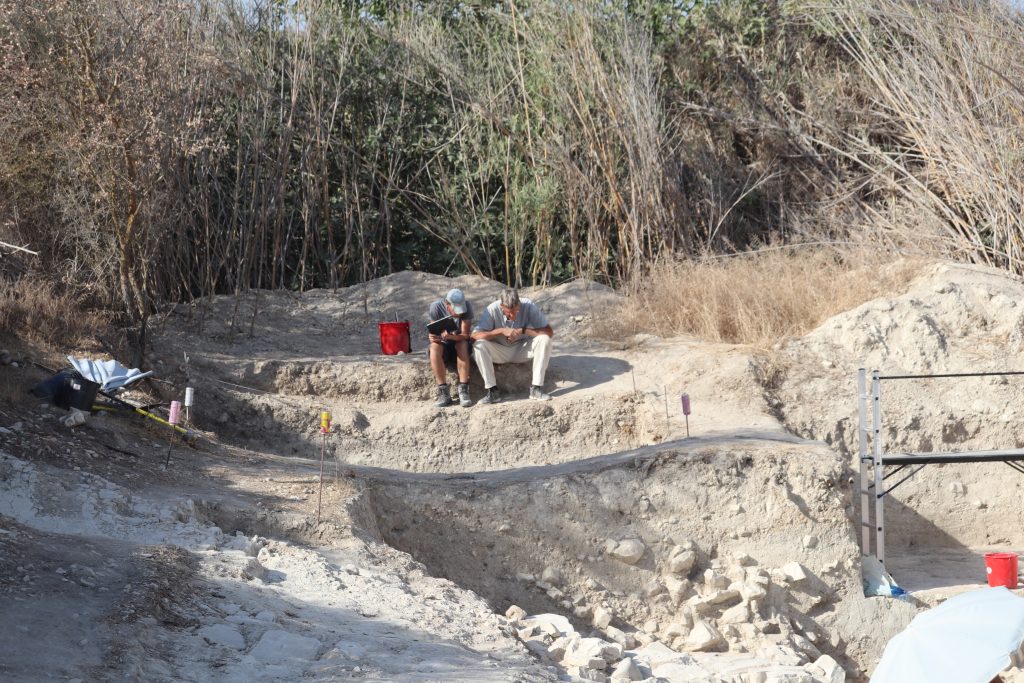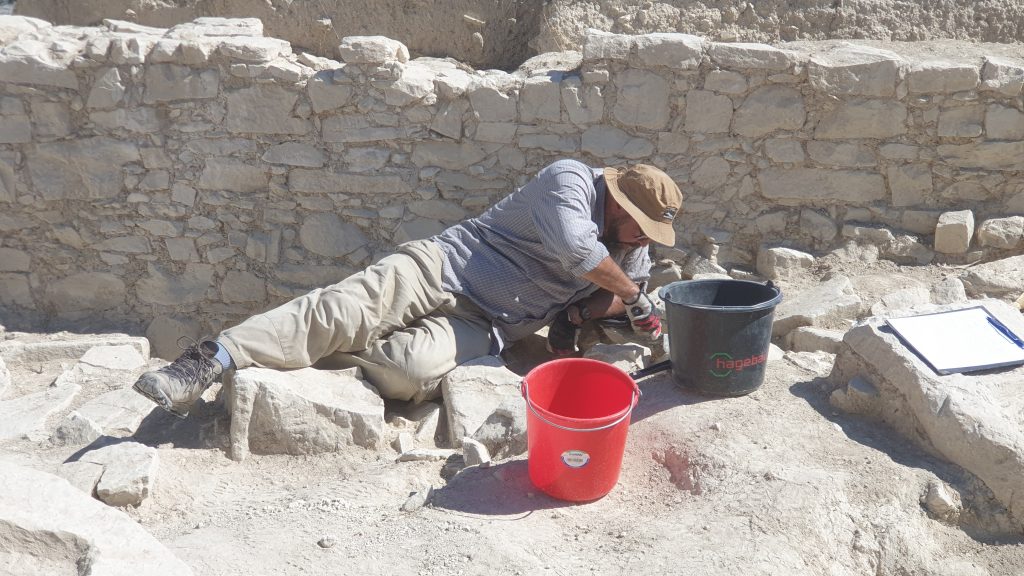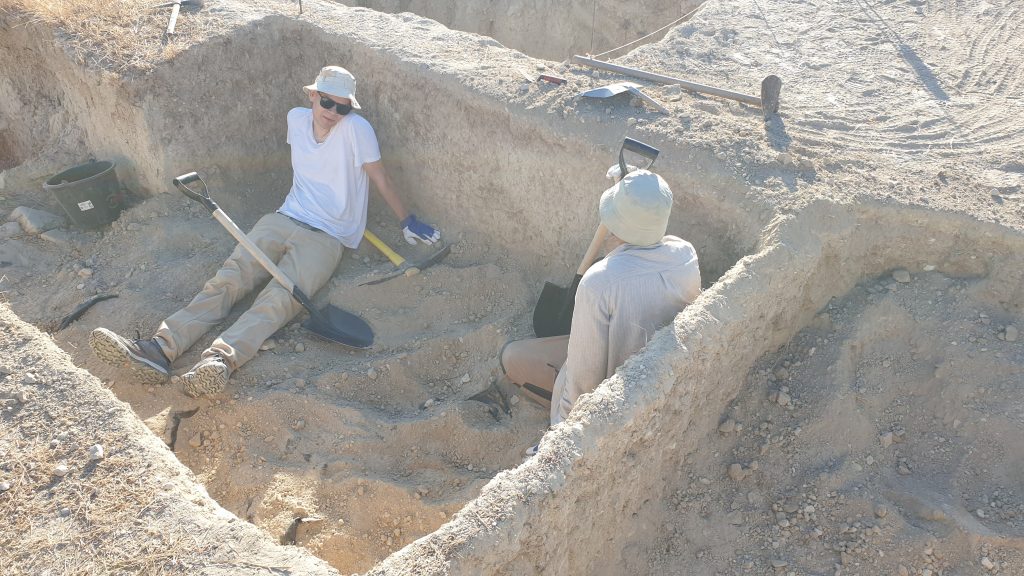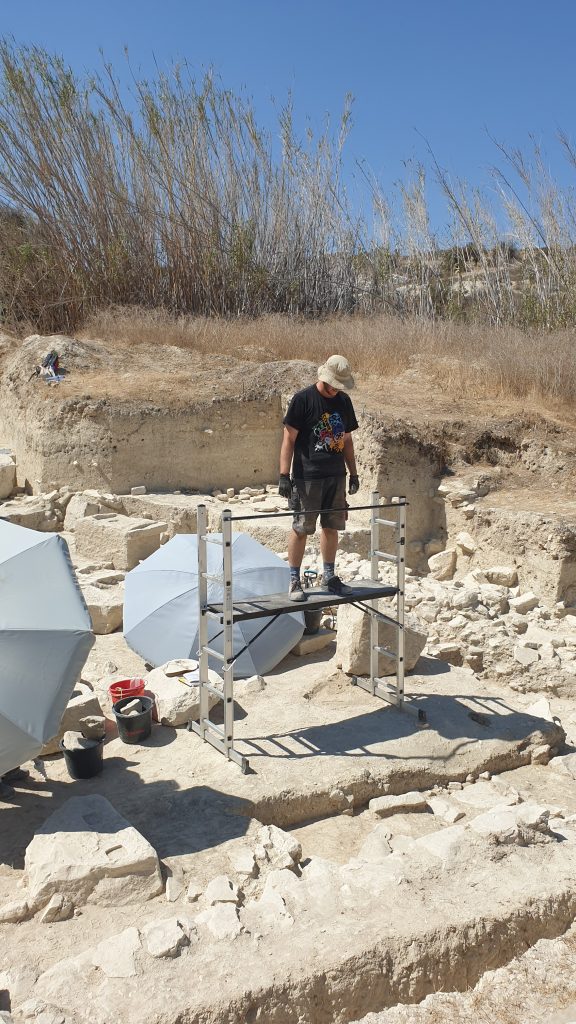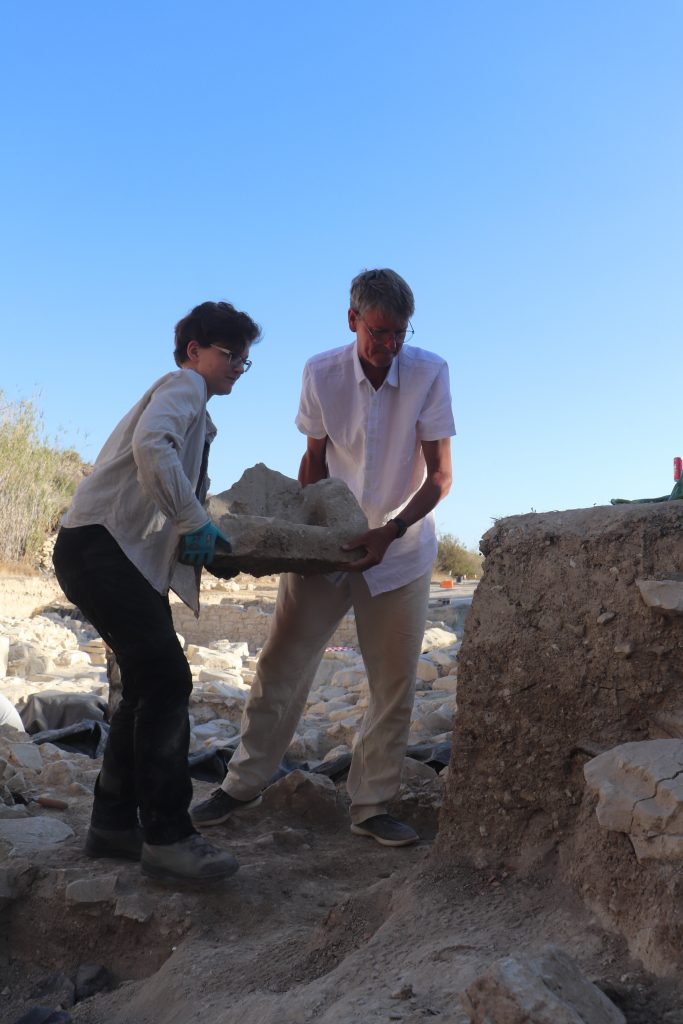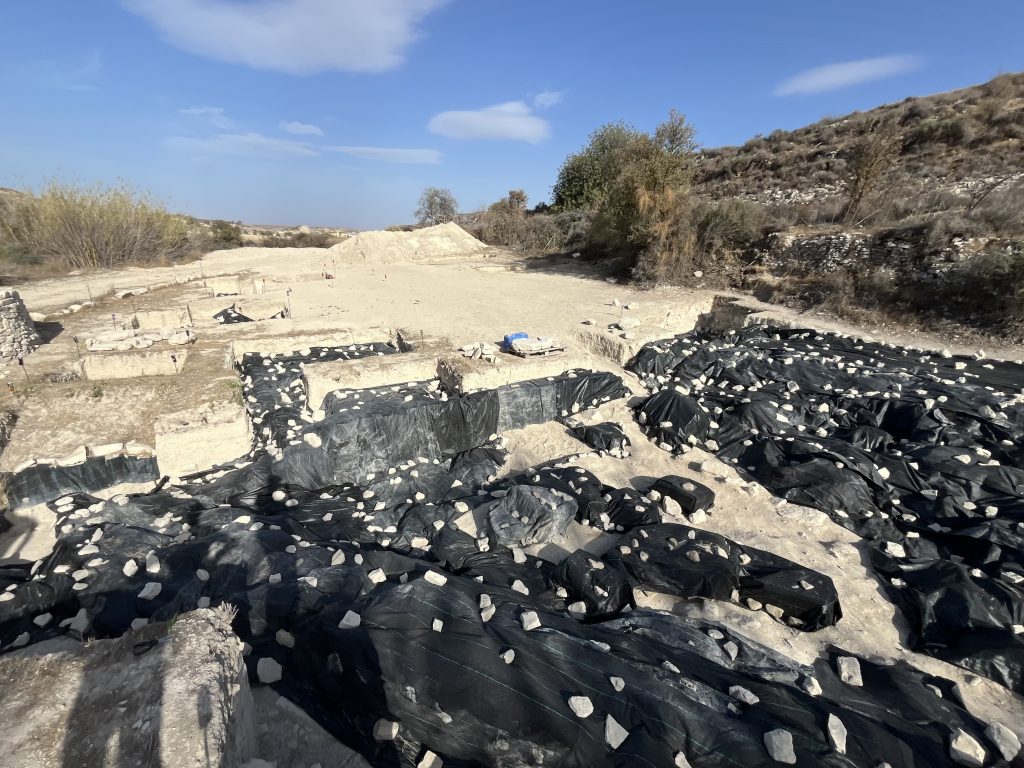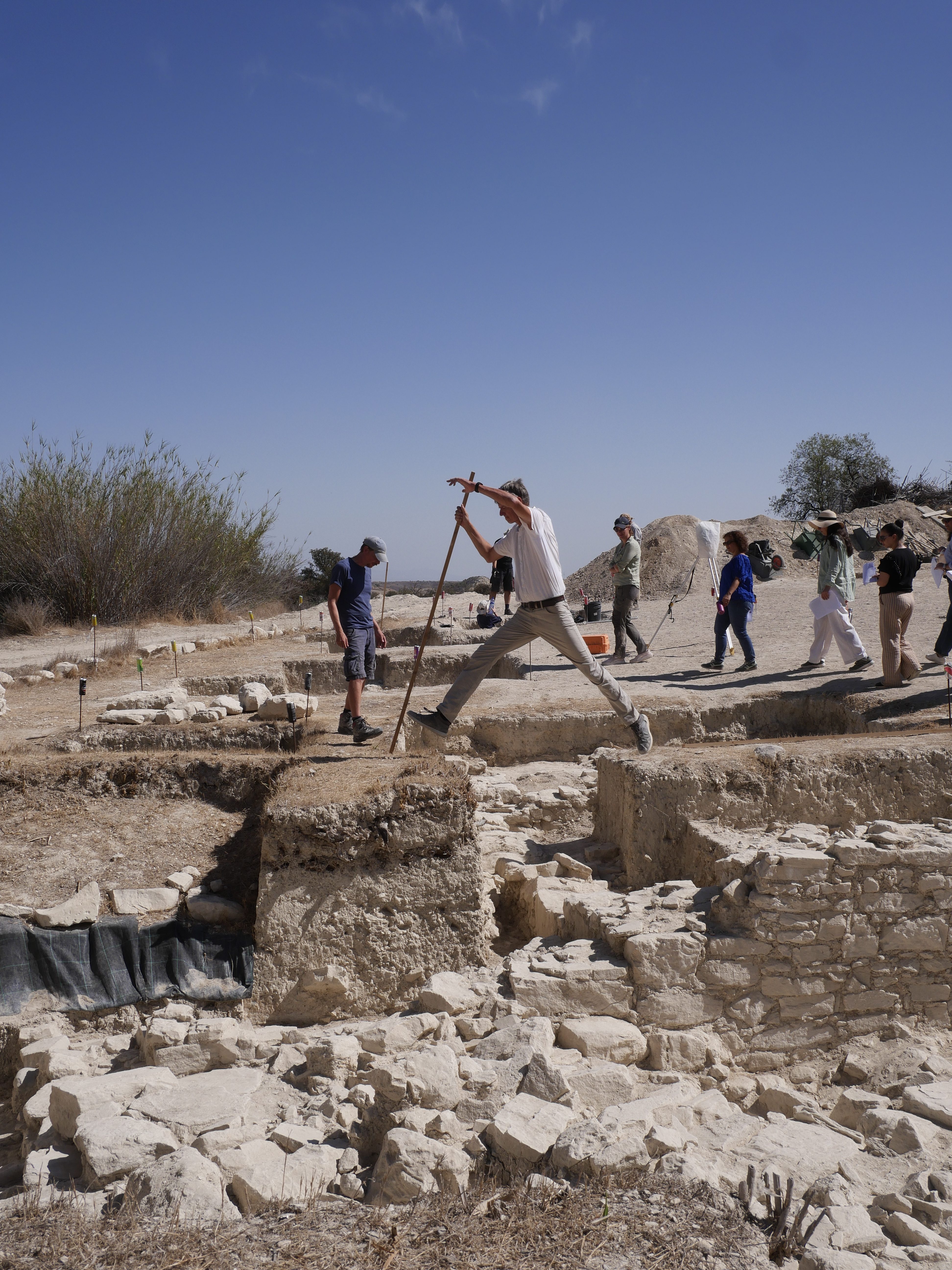
The fifth modern excavation campaign at the sanctuary of Frangissa has yielded what may be the most spectacular results to date. As in previous years, these projects, led by Dr Matthias Recke (University of Frankfurt) and Prof. Dr Philipp Kobusch (University of Rostock), were generously supported by the Amricha in Leipzig and Argo Frankfurt. The rural Apollo sanctuary was already the subject of a brief excavation campaign in 1885 under the direction of the archaeologist Max Ohnefalsch-Richter. However, apart from brief notes, his work was never published or continued—and the location of the sanctuary was forgotten. It was only through the new field research that the sanctuary could be re-located, and the old excavations uncovered and documented according to modern standards, while research into previously unexcavated areas was advanced.
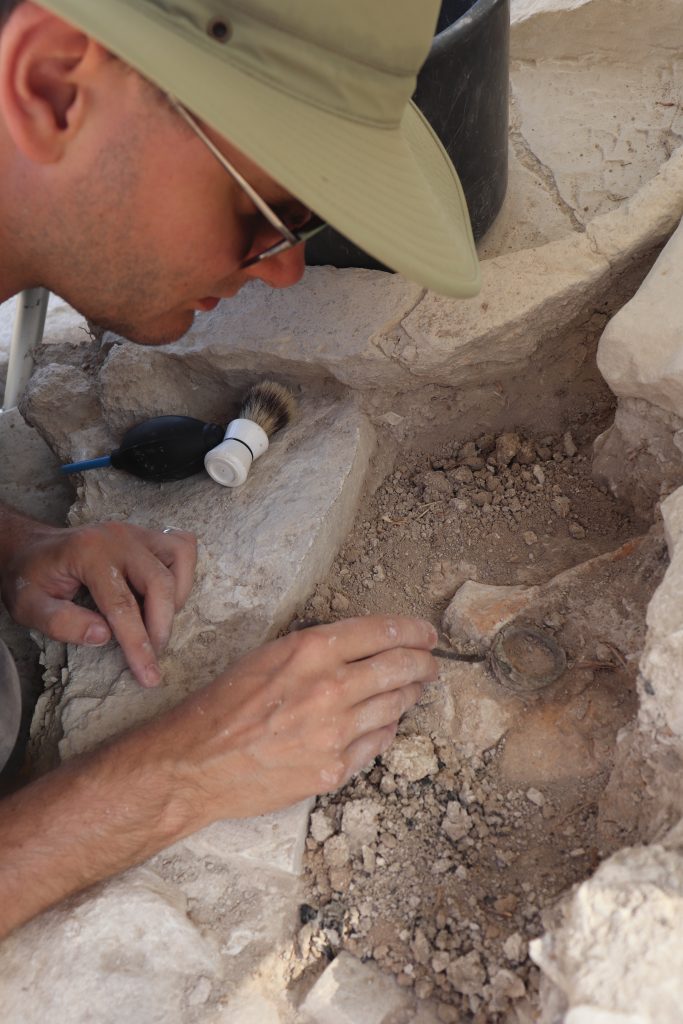
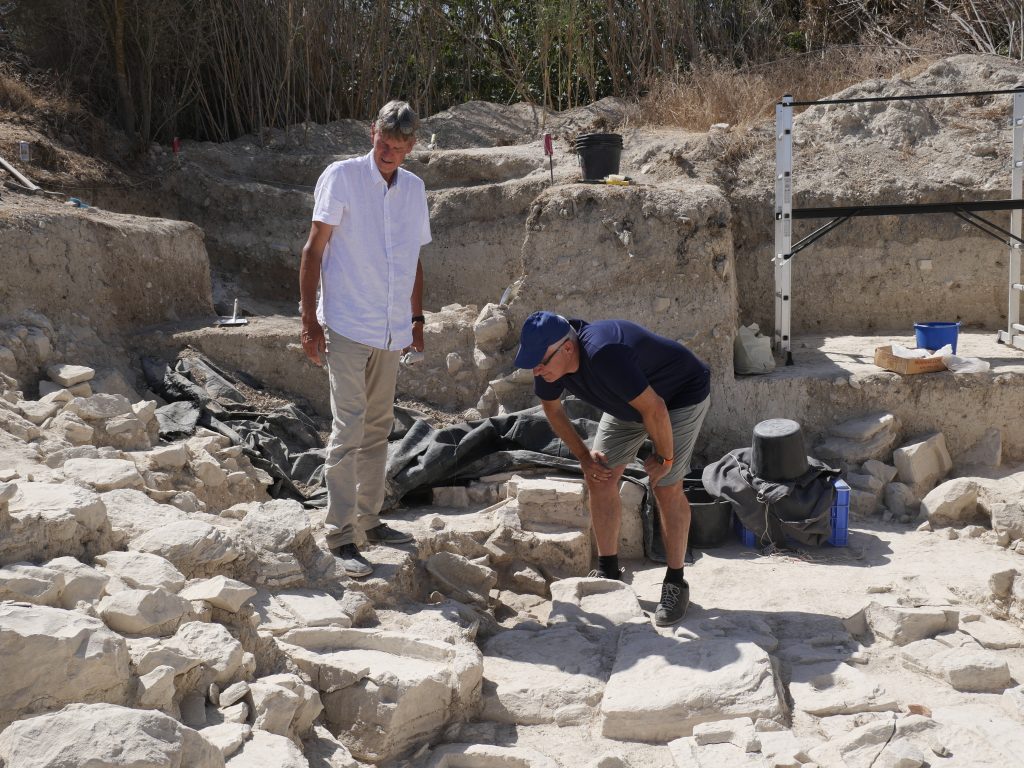
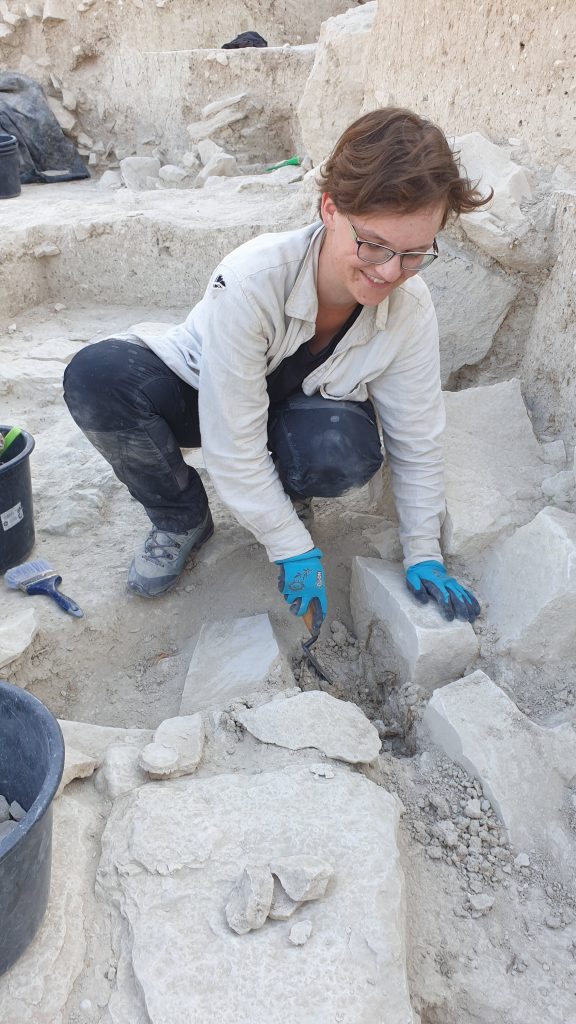
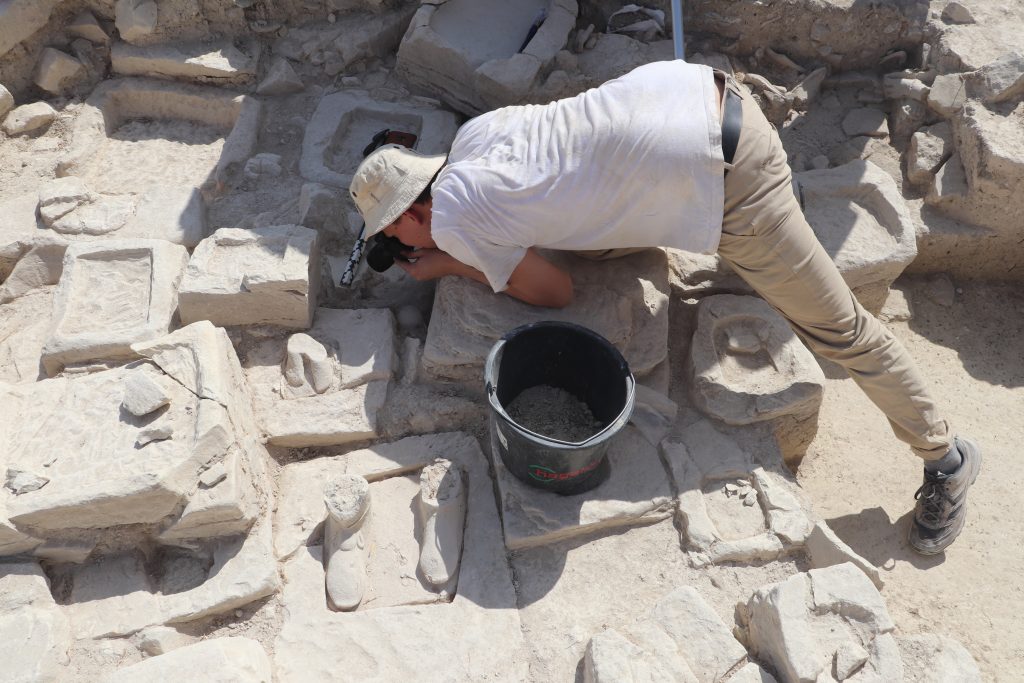
When it was first discovered in 1885, the sanctuary was remarkable for the high density of finds—the bases of the votive statues stood side by side. However, when the site was backfilled, these bases were largely removed by Ohnefalsch-Richter and later used to refill the area. This makes the 2025 discovery of more than 20 bases still in their original locations—which Ohnefalsch-Richter presumably did not see—all the more remarkable. Some of the bases even still contained the feet of the votive statues that had stood on them. In addition to limestone, there were also terracotta feet. This provides the first evidence ever found in Cyprus that terracotta figures were not only placed on the ground or in rock carvings, but were also given their own limestone bases.
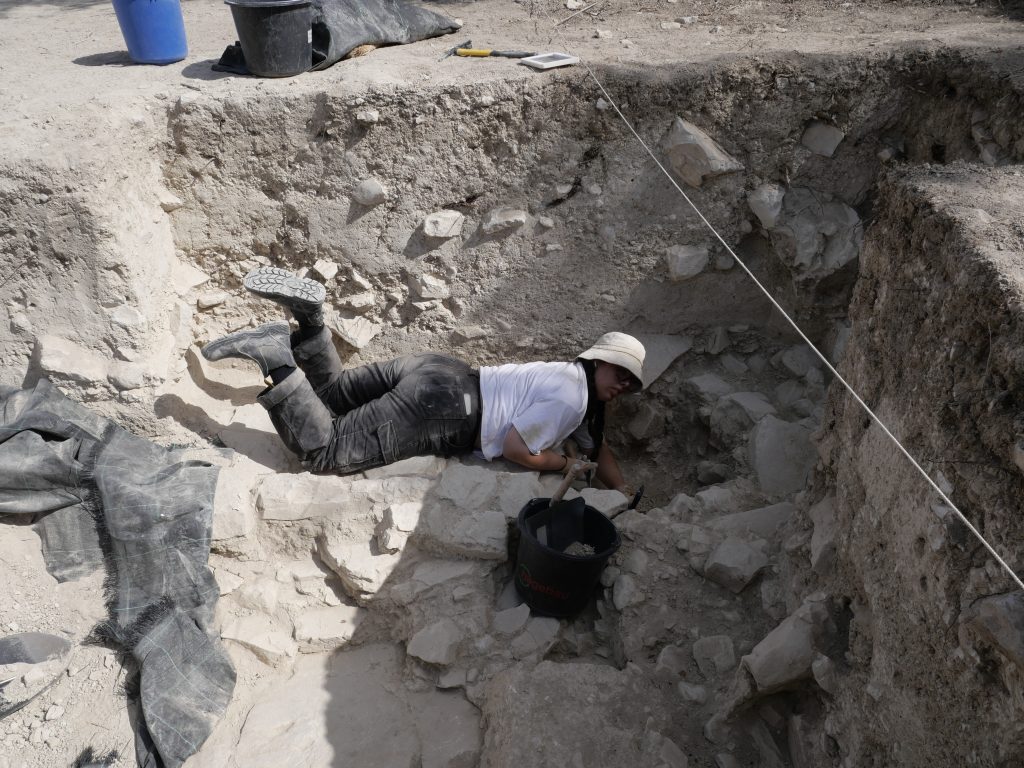
The newly discovered bases are not only arranged closely together but are in some cases even stacked on top of one another, though always in such a way that both figures remain visible. This allows us, for the first time, to trace the gradual accumulation of votive offerings in the sanctuary. Furthermore, based on the stratigraphic sequence carefully observed during the new excavations, it can now be demonstrated that these bases were covered with a leveling layer already in antiquity. The area was leveled, and then a completely new layer of bases was installed—these are the bases that Ohnefalsch-Richter excavated and of which the new excavations found well over 100 pieces in the refill of the old excavation. The question of whether this reorganization of the sanctuary—presumably toward the end of the Archaic period—was the result of a destruction, as a few clues suggest, or was merely due to a lack of space, will be the focus of the next campaigns.
With the discovery of the Archaic bases in situ and the associated statues, which can be dated to the Archaic period, the Archaic phase of the sanctuary can now be verified through archaeological evidence for the first time ever. Until now, the only artefacts known from this period were largely context-free statues discovered during the 1885 excavations. Furthermore, during this campaign, undisturbed layers containing Archaic pottery were identified for the first time since the start of modern excavations, thereby adding historical depth to the sanctuary as a whole. Thus, the new excavations can help to trace the development of a Cypriot sanctuary in detail and to understand the social and ritual processes that led to the sanctuary’s design and the placement of the votive offerings.